
Need Expert Support?
Call +1 (888) 800-6897
Call +1 (888) 800-6897
Beverage cooling is worth considering when the kitchen, bar, pantry, or entertaining area needs dedicated drink storage outside the main refrigerator.
The right unit depends on what you store, where the cooler will sit, and whether the cabinet opening can support the appliance. A wine refrigerator, beverage center, and undercounter cooler can look similar online, but they are not always interchangeable.
| Option | Best For | Main Benefit | Check Before Buying |
|---|---|---|---|
| Wine refrigerator | Wine collectors and frequent wine drinkers | More controlled wine storage temperature | Bottle size, zone count, and shelving |
| Beverage center | Cans, bottles, mixers, sparkling water, and entertaining drinks | Flexible everyday drink storage | Shelf layout and temperature range |
| Undercounter cooler | Built-in kitchen, bar, or island installation | Clean integrated look | Ventilation, cabinet opening, and door swing |
| Freestanding cooler | Pantry, basement, office, or flexible placement | Easier placement | Do not build in unless rated for it |
A wine refrigerator is usually designed around bottle storage and a wine-friendly temperature range. Some have dual zones so red and white wines can be stored separately.
A beverage center is usually more flexible for cans, water bottles, mixers, and party drinks. It may not always hold wine bottles as efficiently because the shelving is designed for varied container sizes.
Choose a wine refrigerator if wine storage is the main goal. Choose a beverage center if everyday drinks, entertaining, and flexible storage matter more.
Built-in beverage cooling units are designed to ventilate in a cabinet opening, often through the front. Freestanding units usually need more open airflow around the sides, back, or top.
Do not place a freestanding-only unit inside cabinetry unless the product manual allows it. Restricted airflow can affect performance and may shorten the life of the appliance.
Before ordering, check:
Single-zone units keep the full cabinet at one temperature. They are usually enough for cans, mixers, sparkling water, beer, and general entertaining drinks.
Dual-zone units are useful when you want to store different beverages at different temperatures. This matters most for wine collectors or mixed-use storage where wine and colder beverages share the same appliance.
Strong placement options include:
Avoid placing beverage cooling where heat, sunlight, blocked ventilation, or poor outlet placement will make the unit work harder than needed.
Measure the actual space, not just the cabinet plan.
Important measurements:
If the cooler is going under a counter, confirm the appliance is designed for built-in installation.
Look for features that match the way the space will be used:
Do not overbuy features that do not fit the room. A small beverage center near the kitchen may matter more than a large wine unit if the real use case is everyday drinks and hosting.
Avoid these issues:
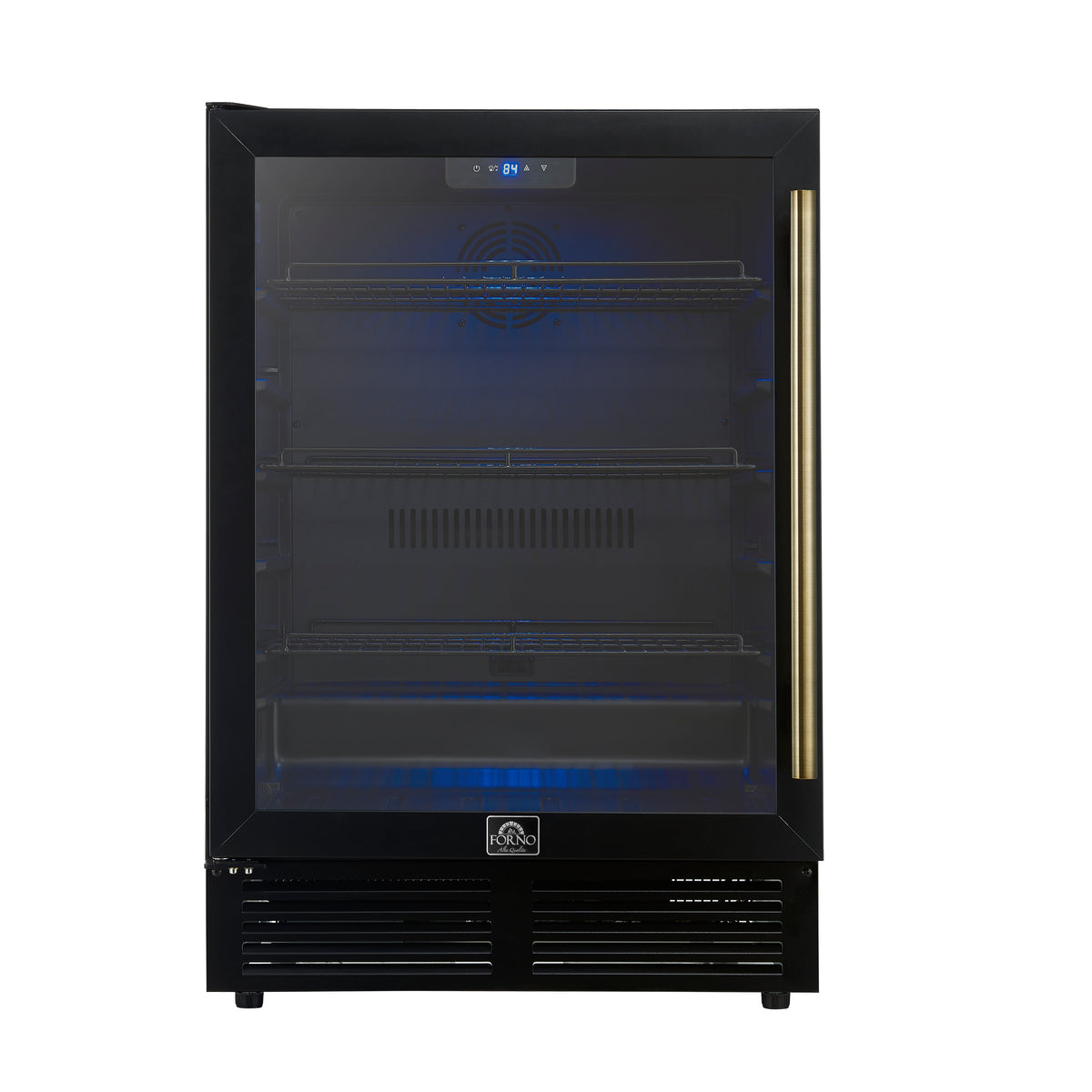
Built-in or freestanding beverage cooling with a 188-can capacity.

A dual-use wine and beverage center for entertaining-focused kitchens.

A compact beverage cooler option for tight or outdoor-adjacent spaces.
Only if the product is rated for built-in installation. Built-in units usually have front ventilation. Always check the product manual before installing inside cabinetry.
No. Wine refrigerators are usually built around bottle storage and wine-friendly temperature ranges. Beverage centers are usually more flexible for cans, bottles, mixers, and everyday drinks.
Dual-zone cooling is useful if you store beverages that need different temperatures, especially wine and colder ready-to-drink beverages.
Start with the cabinet opening and the type of drinks you store. A compact built-in unit may be better for a kitchen island, while a larger unit may make sense for a bar, pantry, or entertaining area.
Need help choosing beverage cooling for your kitchen, bar, or entertaining space?
CTA text:
`Get Help Choosing Beverage Cooling`
CTA URL:
`mailto:support@culinarycave.com`